Family Owned & Operated Since 1992
Have Questions?
614-NEW-ROOF
October 2, 2026
Fall Roof Maintenance
Five areas around your home to check this fall and what to look for before freezing temperatures, snow, and ice arrive.
Preparing your roof for winter starts with checking for damage, clearing gutters and roof debris, looking for signs of moisture in your attic, checking vulnerable areas such as flashing, and addressing branches hanging over your roof. For Central Ohio homeowners, fall is a good time to complete these checks before freezing temperatures, snow, and ice arrive.
Central Ohio winters often bring temperatures that move above and below freezing. If water is already finding its way into a small opening around damaged shingles, flashing, or another vulnerable area, repeated freezing and thawing can make an existing problem worse.
The good news is that you don’t have to be a roofing expert to spot some of the warning signs. Here are five areas around your home to check this fall and what to look for before winter arrives.
01 / Gutters & Drainage
Can clogged gutters cause roof problems in winter?
Yes. Clogged gutters can prevent rain and melting snow from draining properly away from your roofline. Leaves, twigs, and other debris can prevent water from moving freely through your gutters and downspouts.
When temperatures fall below freezing, standing water can freeze and make drainage even more difficult. Before winter, make sure gutters and downspouts are clear and check roof valleys for accumulated leaves and debris. Water should be able to move away from your roof and home rather than collecting around the roof edge.
Some homeowners may be comfortable cleaning accessible gutters themselves. However, if reaching your gutters or removing debris would require getting onto the roof or using a ladder you’re not comfortable with, it’s safer to call a professional.
Explore our gutter cleaning services so your gutters are ready for winter.
02 / Shingles
You don’t have to climb onto your roof to notice some common signs of roof damage. Walk around your home and look at your roof from the ground. Here are a few things to look for:
Can a few missing shingles cause a roof leak?
Missing or damaged shingles don’t necessarily mean your roof is actively leaking, but they can leave parts of your roofing system more vulnerable to water.
If you notice something unusual, don’t climb onto your roof to investigate it yourself. A professional roof inspection can help determine what caused the damage, whether a repair is needed, and what your next steps should be.
Learn more about what to expect during a Newman Roofing inspection .
03 / Vulnerable Areas
Roof flashing is the thin material used to help direct water away from vulnerable areas where different parts of your roof meet. You’ll commonly find flashing around chimneys, skylights, vents, valleys, and where the roof meets a wall.
Loose, damaged, or deteriorating flashing can create an opportunity for water to enter the roofing system. From the ground, look for anything that appears lifted, separated, damaged, or noticeably out of place.
If something looks loose, separated, or damaged, avoid climbing onto the roof for a closer look. A roofing professional can safely inspect the area and determine whether it needs attention.

04 / Attic & Ventilation
It is also important to look inside your attic for moisture or ventilation problems.
Potential warning signs include:
Your attic can tell you a lot about how your roofing system is performing. Water stains, damp insulation, musty odors, or excessive condensation may point to a roof leak, ventilation issue, or another source of moisture that should be investigated.
What causes ice dams on a roof?
Attic insulation and ventilation can play an important role. When heat escaping from your home warms portions of a snow-covered roof, melting snow can travel toward the colder eaves and refreeze. This creates what is known as an ice dam.
As ice builds along the roof edge, additional melting snow may have difficulty draining and can potentially work its way beneath roofing materials.
Checking your attic for signs of excess moisture and ventilation problems before winter can help you identify potential concerns before snow and freezing temperatures arrive.
05 / Surrounding Trees
Branches hanging over your home can drop leaves and debris onto your roof and into your gutters. Branches that touch the roof may also scrape against shingles, while damaged or weakened limbs can become a concern during high winds, snow, or ice.
Before winter, look at the trees surrounding your home for branches that are damaged, touching the roof, or hanging directly above it.
Larger limbs and anything near power lines should be handled by a qualified tree professional.
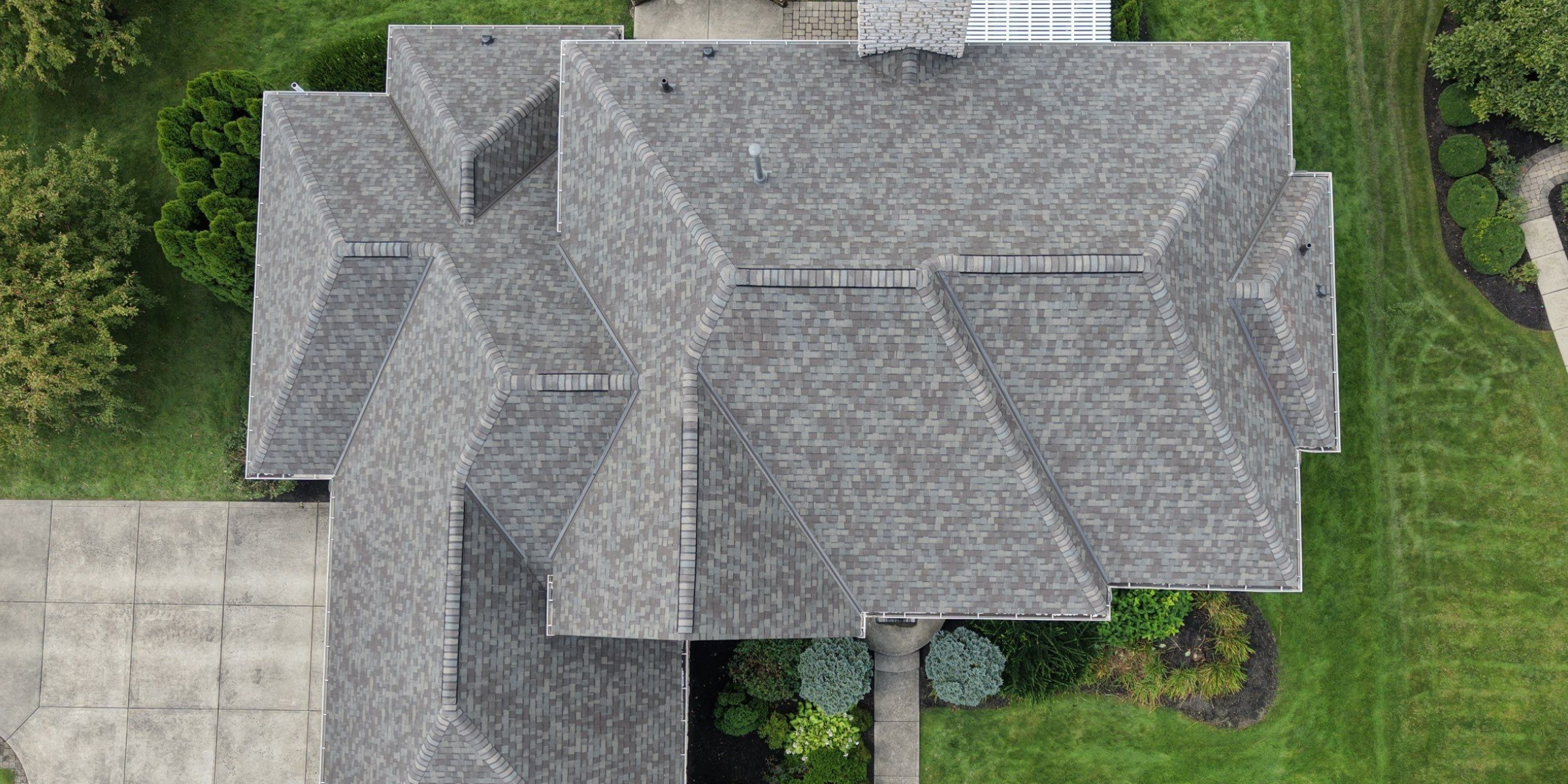
Before Winter Arrives
Not every homeowner needs to schedule a professional roof inspection every fall. There isn’t one inspection schedule that applies to every roof. Your roof’s age and condition, recent severe weather, visible changes, and previous repairs can all affect when having it professionally inspected makes sense.
A professional roofer can take a closer look at areas that aren’t safely visible from the ground and help determine whether what you’re seeing is normal wear, something that should be monitored, or damage that may need to be repaired before winter.
Here When You Need Us
You don’t have to know exactly what you’re looking at to ask for help. If you’ve noticed something unusual or simply have questions about the condition of your roof, the Newman Roofing team is here to help.
Since 1992, we’ve helped Central Ohio homeowners better understand what’s happening with their roofs so they can make informed decisions about their homes.
Schedule a Roof Inspection
Built to protect, designed to impress. Newman Roofing has you covered.
5.0 Average Rating (1350+ Reviews)
825 Kintner Parkway
Sunbury, Ohio 43074
Monday - Friday: 8:00 AM - 5:00PM